Purpose before placement
Storage planning starts with the product specification. Cheese type, rind treatment, packaging, producer instructions and intended maturation period can change the appropriate environment and handling frequency. There is no universal cellar setting. A written requirement should guide placement, inspection and release planning.
Each intake record should identify the batch, quantity, date received, source information supplied with the product and the planned maturation route. If information is incomplete, the exception should be visible rather than inferred.
Organize the room around batches
Use a location system that a second operator can understand. Shelf, bay and level references reduce searching and unnecessary movement. Keep distinct batches physically separated where practical, especially when their age, surface condition or handling schedule differs. Labels should remain legible and attached to the batch record.
Capacity planning is more than counting shelf positions. Allow space for inspection, safe movement, cleaning access and temporary segregation. A crowded room increases handling and makes condition changes harder to identify.
Shelving, airflow and humidity awareness
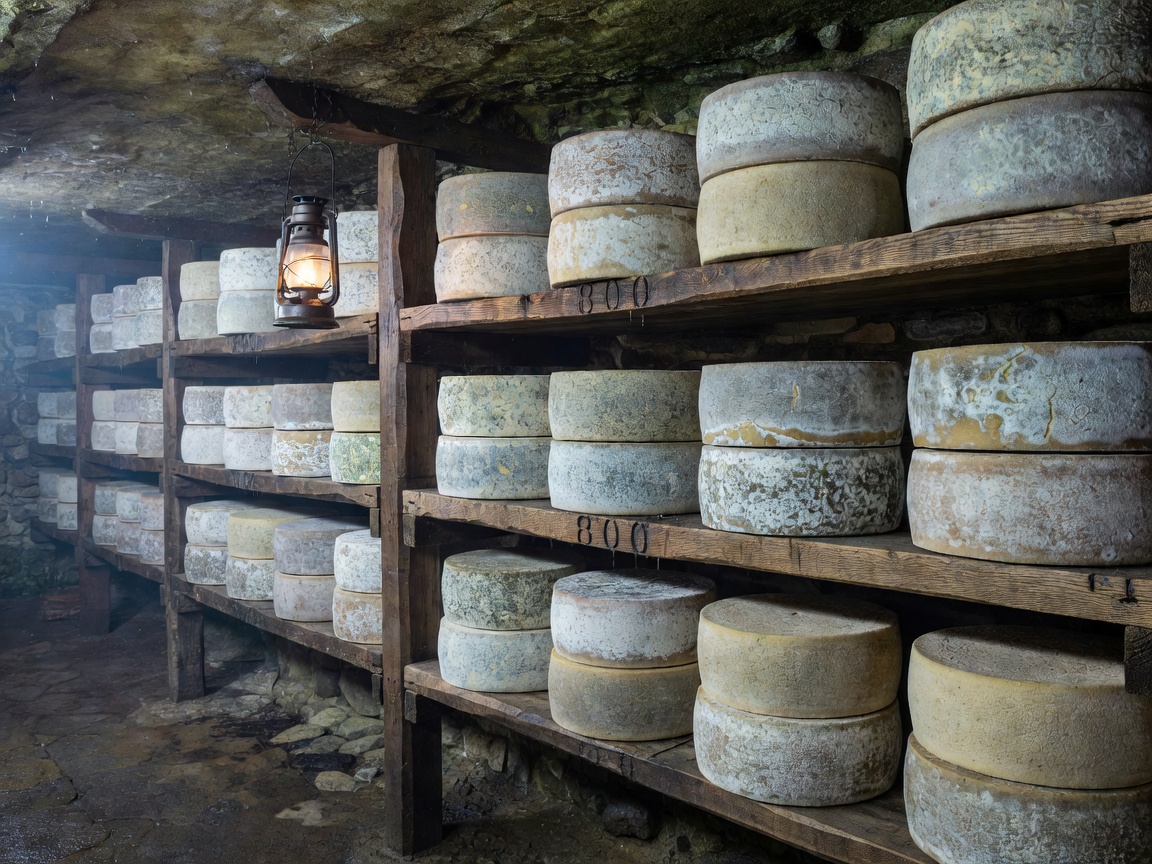
Shelving materials and construction affect cleaning, drainage, airflow and contact surfaces. Natural timber may be specified for some maturation systems, while other rooms use cleanable manufactured surfaces. The choice should follow the cheese process and qualified food-safety guidance.
Airflow should be considered as a room pattern, not as a target in isolation. Blocked shelves, dense stacking and cold surfaces can create local differences. Humidity awareness includes condensation, surface drying and visible changes. Exact conditions must follow the producer’s specification.
Records and sanitation
A storage record can include location, movement, inspection note, condition observation, cleaning activity and exception status. Records should be dated and attributable. Cleaning and sanitation procedures must be documented for the room and materials used, without transferring chemicals or residues to product.
Practical storage checklist
- Confirm product requirements before assignment.
- Give every batch a readable identity and location.
- Keep inspection access clear.
- Record movements and exceptions promptly.
- Review timelines before release planning.
Related controls: maturation environments, condition monitoring and batch management.